Plancrafter Editorial Team
Franchising is often associated with brand recognition, established products and the ability to enter the market under a known business name. But what exactly is a franchisee buying when they acquire a franchise? Is it mainly the brand, or is there something more important behind it?
An academic article titled “Franchise Business Model: Theoretical Insights,” by Rasa Levickaitė and Ramojus Reimeris of Vilnius Gediminas Technical University, provides a useful way of looking at this question. Published in Business: Theory and Practice in 2010, the article reviews the franchise business model from managerial, financial and legal perspectives. The authors pay particular attention to the relationship between the franchisor and franchisee and to the business system that is transferred through a franchise arrangement.
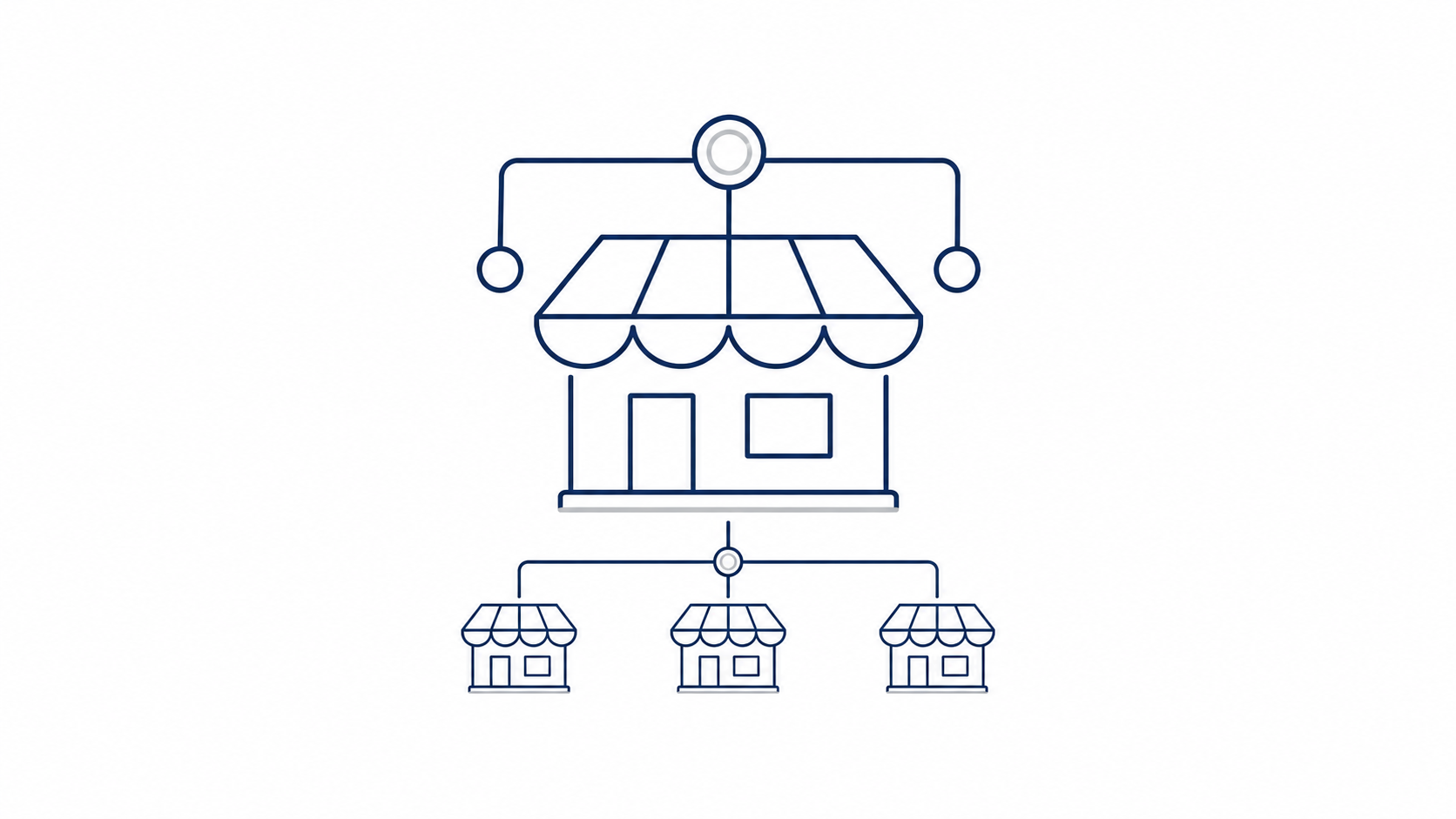
One of the most useful ideas in the article is that a business-format franchise involves much more than the right to use a brand name. The franchisee also receives access to an established way of operating the business. This includes management methods, operating standards, training and business know-how.
This operating method may in fact be one of the most valuable parts of the franchise.
What Is a Franchise Operating Method?
The operating method can be understood as the system the franchisor has developed for running the business.
According to Levickaitė and Reimeris, the franchisor may provide the franchisee with established operating standards, descriptions of a tested business model, staff training and other forms of business know-how.
This means that a franchisee is not necessarily required to develop every part of the business from the beginning. Instead, the franchise system gives the franchisee a framework for how the business is expected to operate.
We need to distinguish this from a simple product-distribution franchise. In a product-distribution arrangement, the franchisee primarily receives the right to sell the franchisor's products and use its trademarks. In a business-format franchise, the relationship goes further because the franchisee also receives the methods used to manage the business.
The authors explain that in a business-format franchise, the franchisee receives business management methodologies describing how to manage the overall business as well as its individual components.
This distinction is important. The operating system itself becomes part of what the franchisee is purchasing.
The Economic Value of Know-How
The authors also make an important point about why operating methods have financial value.
A franchisee normally pays an initial franchise fee in addition to investing in premises, equipment, employees and working capital. Part of what the franchisee receives in exchange for the franchise fee is access to the franchisor's intellectual property and accumulated know-how.
The value of this knowledge is not simply that the franchisor provides instructions. The franchisee may gain access to experience that took the franchisor years to develop.
The article describes this as obtaining lessons from previous successes and mistakes without having to experience all of those lessons independently in the market.
In this sense, a franchise fee can partly be viewed as payment for accumulated operating knowledge.
A strong franchise system should therefore offer more than a recognizable logo. It should provide a business method that has been developed, tested and organized in a way that another operator can reasonably follow.
Standardization and Control
Operating methods also explain why franchisors normally exercise considerable control over franchise operations.
A franchise depends on consistency. If different franchise locations operate in completely different ways, the value of having a common business system can be weakened.
The article identifies standardization and control among the important challenges faced by franchisors. It also identifies the selection of appropriate franchisees and the risk that franchisees may depart from the established system.
The franchise relationship therefore involves a balance.
The franchisee is an independent business operator, but at the same time agrees to follow an established business system. The franchisor provides the operating method and support while retaining a degree of control over how the system is implemented.
One definition discussed in the article goes even further, describing the franchise relationship as one in which the franchisor has the right to control the franchisee during the term of the franchise using methods intended to support successful operation of the franchised business.
Control is therefore not necessarily separate from the operating system. It is one of the mechanisms through which the franchisor attempts to preserve that system.
Why Operating Methods Matter in a Franchise Business Plan
This concept is particularly important when evaluating a franchise opportunity.
A franchise business plan should not simply state that the franchise has a "proven business model." That statement alone says very little.
A more useful analysis should examine the actual operating system being transferred to the franchisee.
For example, the business plan should consider:
- What operating standards does the franchisor provide?
- What parts of the business have already been tested?
- What training will the franchisee and employees receive?
- What management methods must the franchisee follow?
- How dependent is the business on the franchisor's know-how?
- How much flexibility does the franchisee have to adjust the operating model?
- Can the franchisor's operating system be effectively implemented in the proposed location and market?
These questions help determine whether the franchisee is purchasing a genuinely developed business system or mainly paying for the right to use a brand.
More Than a Brand Name
One of the central advantages of business-format franchising is the transfer of an established method of doing business.
The franchisee obtains access not only to a name, product or trademark, but also to operating standards, training, know-how and a tested business model.
For this reason, the quality of the operating method should be an important part of any franchise evaluation.
A strong brand may attract customers, but the operating system determines how the business is expected to function after those customers arrive.
In a well-developed franchise, the real product being transferred is therefore not simply the brand. It is the business system behind the brand.